Lifecycle Benefits of Predictive HVAC Maintenance
The Shift from Preventive to Predictive
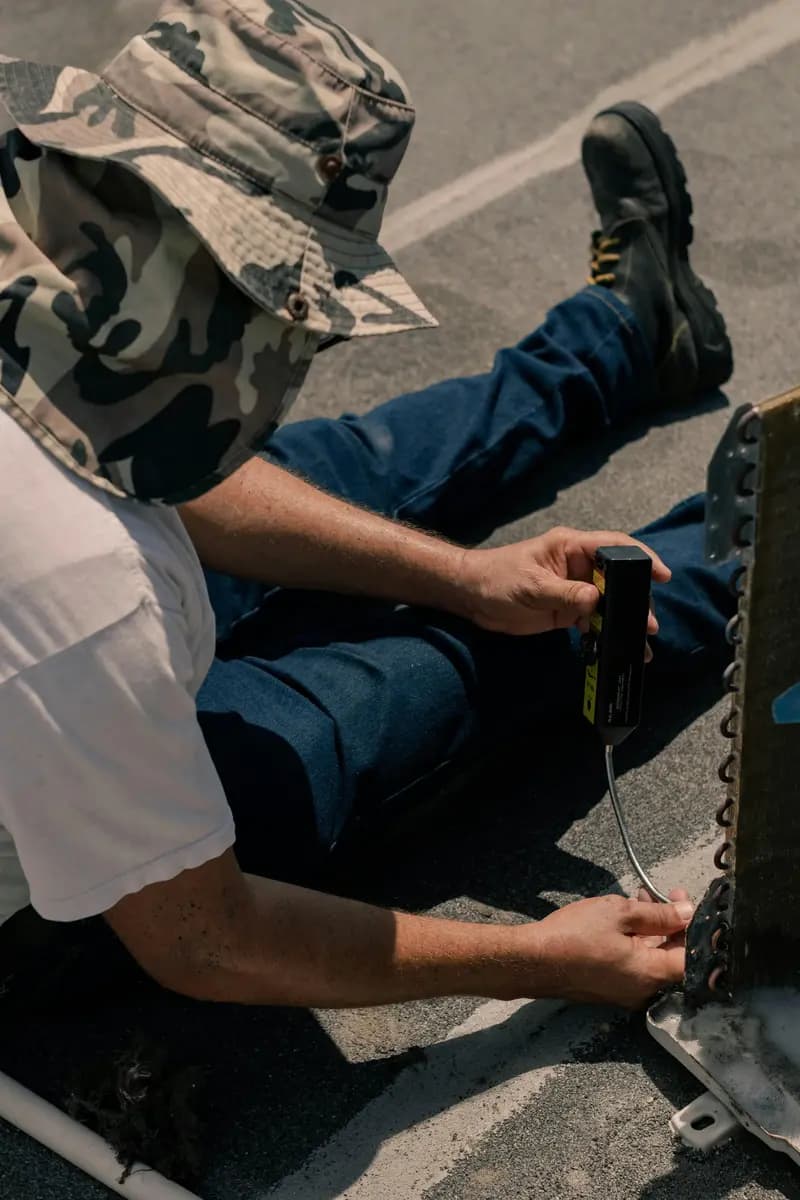
Traditional preventive maintenance (PM) relies on fixed operational schedules (e.g., changing filters every 3 months, checking belts monthly). While better than "run-to-failure," PM often leads to unnecessary maintenance or, conversely, fails to catch random failures that occur between scheduled visits. Predictive Maintenance (PdM), however, uses real-time data and condition monitoring to identify anomalies before they escalate into operational failures.
Key Technologies in Predictive Maintenance
1. Vibration Analysis
Vibration signatures are the heartbeat of rotating machinery. By installing piezoelectric sensors on chiller compressors, pumps, and AHU fans, engineers can detect:
- Misalignment: Shafts that are out of parallel or angular alignment.
- Imbalance: Dirt buildup on fan blades or impeller erosion.
- Bearing Wear: Early-stage spalling or race defects frequencies.
2. Thermography (Infrared Imaging)
Thermal imaging is non-invasive and highly effective for electrical and mechanical inspections. It can instantly identify:
- High-resistance electrical connections (hotspots) in starter panels and switchgear.
- Blocked uneven flow patterns in heat exchangers.
- Insulation failures in motor windings.
3. Oil and Refrigerant Analysis
Regular spectrographic analysis of compressor oil can reveal the presence of wear metals (like copper or iron), indicating internal component degradation. Similarly, refrigerant analysis ensures proper chemical composition and absence of moisture or non-condensables, which are major causes of acid formation and compressor burnout.
ROI and Life-Cycle Impact
Industrial facilities adopting predictive strategies typically see a **25% reduction in overall maintenance costs** and a **50% drop in unplanned downtime**. Asset lifespan is significantly extended because components are replaced only when they actually show signs of wear, maximizing their useful life. Furthermore, PdM enables "just-in-time" parts ordering, reducing inventory carrying costs.
Implementing a PdM Program
Start small by identifying critical assets—those whose failure results in production loss or safety risks. Equip these with IoT sensors for continuous monitoring and integrate the data into a central dashboard. Over time, the accumulated data will train machine learning models to provide even earlier failure warnings.